My Hearing Aid Got Wet: How to Find Reliable Repair for Water-Damaged Hearing Aid
Your hearing aid just got wet, and you're not sure what happens next. Maybe it slipped off before a shower, got caught in a sudden rainstorm, or accidentally dropped into the sink while you were cleaning it. Wherever it happened, what you do in the next few minutes matters most.
Here's what to do first and where to turn for reliable repair of water-damaged hearing aids, if you need it.
Your Hearing Aid Fell in Water, What to Do? First 24 Hours
Move quickly, but don't panic. Here are some steps to take that give your hearing aid the best chance to recover from moisture damage:
- Remove it from the water immediately. The longer it stays wet, the more time moisture has to work its way into the microphone ports and receiver.
- Power it off and take out the battery right away. This cuts the electrical current, which helps prevent battery contacts from corroding while the circuit is still live.
- Open the battery compartment and gently blot it dry with a soft, dry cloth. Pat, don't rub. Rubbing can push moisture deeper into the microphone ports rather than lifting it out.
- Place it in a hearing aid dehumidifier, or seal it in a bag with silica gel packets, and leave it overnight. A proper desiccant slowly draws out condensation trapped in spaces a cloth simply can't reach.
- Wait at least 24 hours before powering it back on, even if there's no visible moisture left. Moisture trapped near the receiver or microphone ports often isn't visible from the outside, and switching it on too soon can cause a short.
What NOT to Do
If your hearing aid fell in water, avoid the following:
- Don't point a hairdryer or any heat source at it. Heat weakens adhesives, deforms microphones, and damages electronics, sometimes worse than the water itself.
- Don't put it in a microwave, the oven, or on a heating vent. It sounds obvious, but people try it out of desperation more often than you'd think.
- Don't try to power it on while it's still wet. A live circuit in a damp device can short and cause permanent malfunction.
- Don't shake it hard to force water out. Shaking can drive moisture deeper into the microphone ports and receiver instead of out.
Can a Water-Damaged Hearing Air Be Fixed?
Often, yes. Most water-damaged hearing aids can be repaired, especially when they're dried quickly and evaluated within the first 24 hours.
In Yuma, we frequently see moisture damage after monsoon storms, days on the Colorado River, or accidental drops into sinks and pools. Paradise Hearing evaluates all makes and models, including devices more than five years old, to determine whether a professional cleaning or repair can restore normal performance before recommending replacement.
When to Bring It In For a Professional Hearing Aid Repair in Yuma
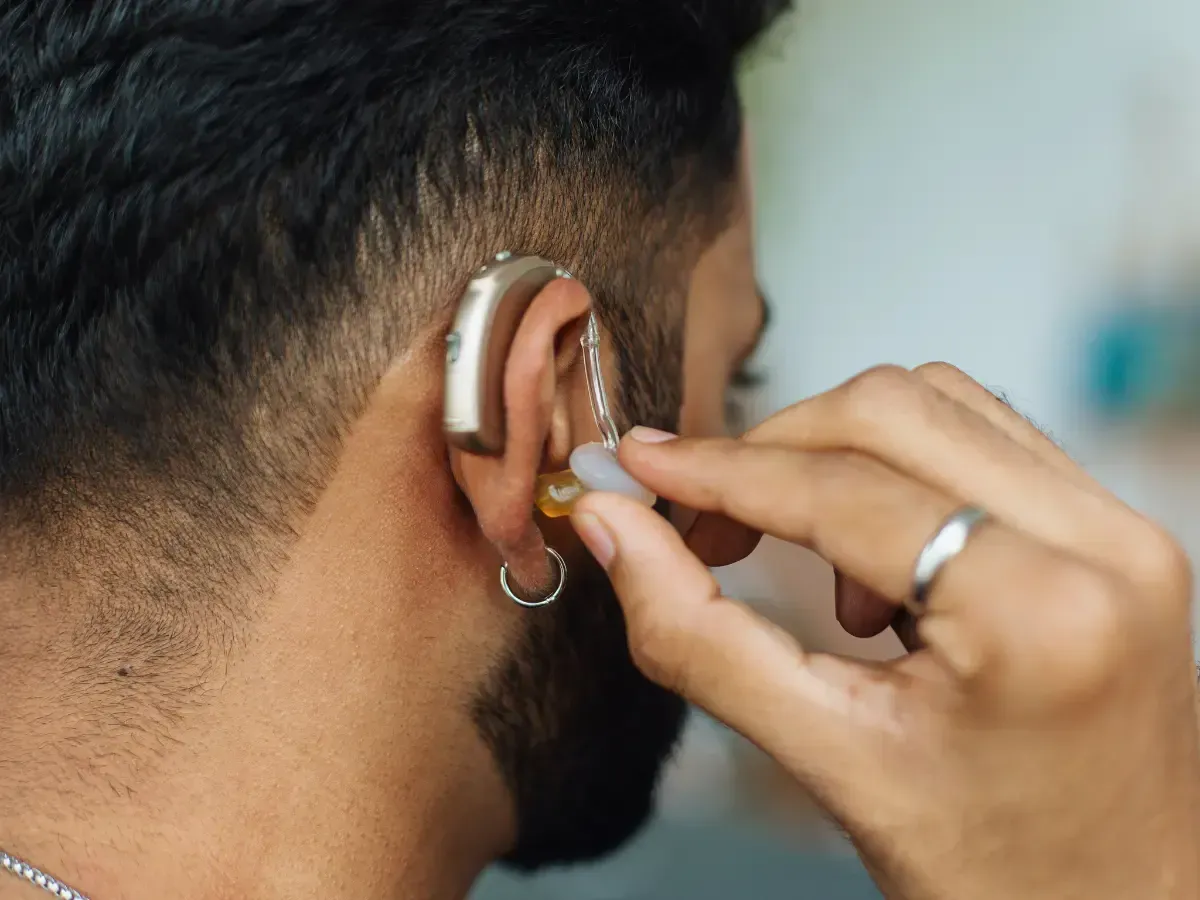
If 24 hours of drying doesn't restore normal function, or the aid was fully submerged rather than just caught in rain or sweat, it's time for a professional look. Trying to force it back on or troubleshoot further at home can do more harm than good.
At our Yuma clinic, we start with a diagnostic check that catches the following:
- Internal corrosion, especially around battery contacts
- Moisture trapped near the microphone ports
- Moisture trapped near the receiver
That's the difference between a device that “looks fine” vs. one that's actually been professionally cleared by a hearing care provider.
If the damage is too extensive, which happens more often with older devices that have accumulated corrosion over time, we'll walk you through replacement options honestly. Either way, you leave with a clear answer instead of a guess.
This is also a good time to consider prevention. Regular hearing aid cleaning catches small moisture and wax issues before they become bigger problems. If getting to the clinic is difficult, our mobile service can bring the visit to you instead.
Why Arizona Conditions Make This More Common
This swing between bone-dry desert air and sudden moisture is just part of life here. It's also why water-damaged hearing aid repair in Yuma is such a common, and very fixable, need.
Here are other local causes of water damage in hearing aids you should know about:
- Colorado River recreation: Boating, fishing, and time on the water are a way of life in Yuma, and hearing aids don't always come off before someone gets splashed or takes a swim.
- Extreme summer heat: With temperatures regularly topping 105°F, sweat damage is common for anyone active outdoors, and the sharp swing from air-conditioned indoor environments to sudden outdoor humidity increases the risk.
- Monsoon season (July through September): Sudden downpours and flash humidity spikes can catch you off guard, even on a quick walk outside.
- Swamp coolers: Many Yuma homes still rely on evaporative cooling, which adds indoor humidity that dry-climate hearing aids weren't built to handle.
Your Questions About Water-Damaged Hearing Aids, Answered
Can hearing aids survive being submerged?
Sometimes. If your hearing aid got wet because of a brief dunk in clean water, followed by fast drying, gives the device a real chance. Longer submersion or exposure to pool or river water increases the risk of internal corrosion. The only way to know for sure is a professional evaluation.
Can rechargeable hearing aids get wet?
Many rechargeable hearing aids carry some resistance to sweat and light rain, indicated by an IP rating on the device. That rating doesn't cover full submersion, though, and the charging case itself should never get wet. A wet charging case can corrode the charging contacts and damage aids that seemed fine.
Will rice fix my hearing aid?
No. Rice isn't an effective desiccant for hearing aids. It pulls moisture too slowly, and grains or dust can work their way into the microphone ports. A hearing aid dehumidifier or silica gel packets do the job properly.
Does insurance cover water damage hearing aid repair in Yuma?
It depends on your plan. Some hearing aid warranties include accidental damage coverage, and certain insurance plans offer repair benefits. We can help verify what your specific coverage includes before you commit to anything.
How much does hearing aid repair cost?
Standard out-of-warranty hearing aid repairs cost $100-$300 in Arizona. However, it varies depending on the brand, the device's age, and the extent of internal damage. More extensive repairs are around $350 or more.
Choose Paradise Hearing for Reliable Repair for Water-Damaged Hearing Aids
A wet hearing aid doesn't always mean it's beyond repair. Acting quickly, drying it properly, and having it professionally evaluated can often prevent more extensive damage and help restore normal performance.
Since 1997, Paradise Hearing has provided trusted hearing aid water damage repair and other services in Yuma. If your hearing aid still isn't working after drying, get in touch. Our team can inspect it, explain your options, and recommend the most practical solution for you.