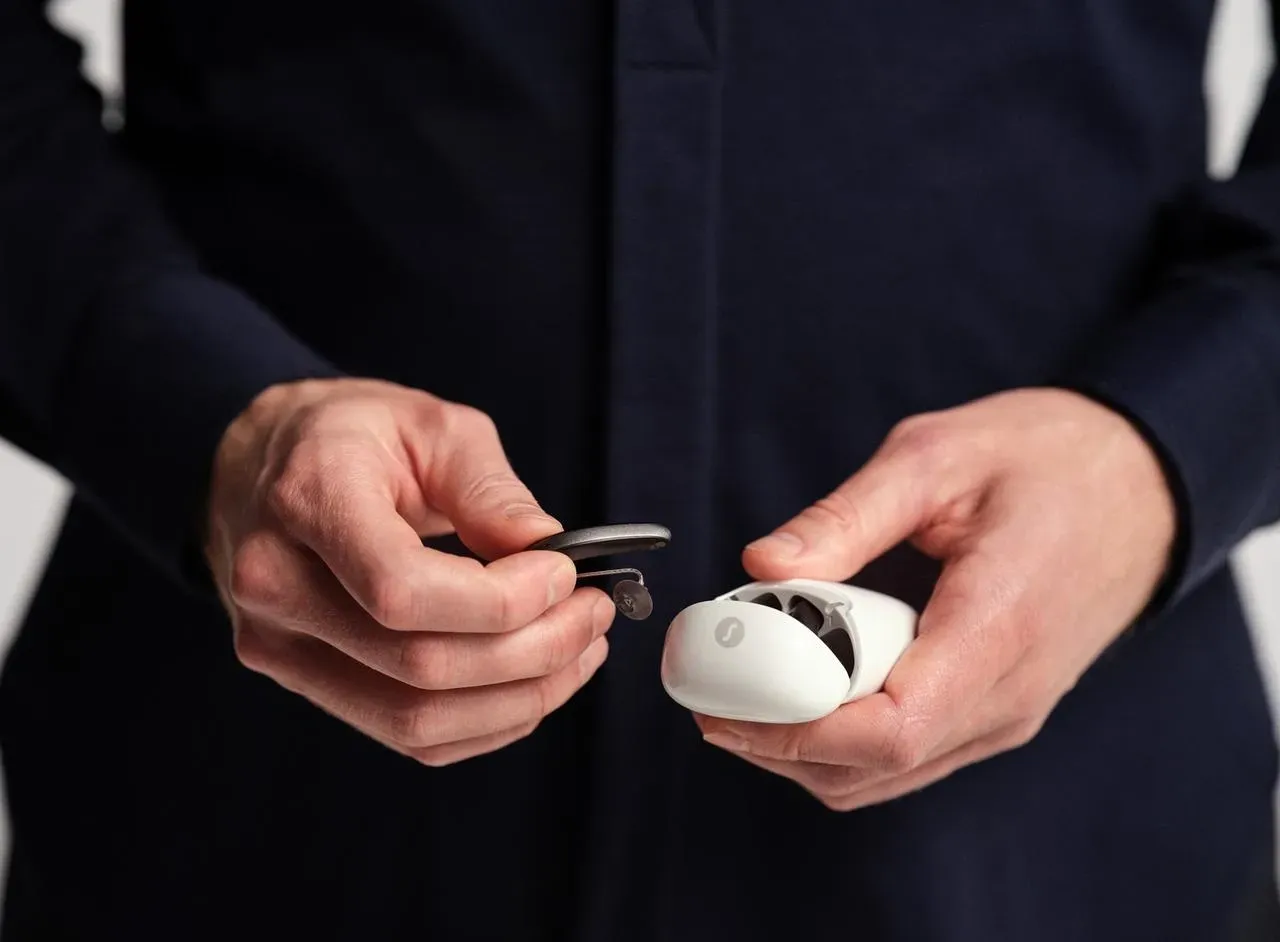
Oticon vs. Resound Hearing Aids: Which Brand Can Improve Your Hearing
When it comes to hearing aids, the choice should be about how you want to hear the world. And in that world, two names come up again and again: Oticon and ReSound. Both are from Denmark, but have taken very different paths to solve the same problem: helping you reconnect with the sounds that make life feel full.
So what really separates them? Beyond the marketing buzzwords and polished brochures, we’re digging into what each company believes about hearing and how that belief shows up in the real-life experience of wearing their devices.
Think of this as less of a “versus” and more of a “which one feels right for
you?”
Quick Comparison Table: An Overview of Oticon vs ReSound Hearing Aids
| Feature Category | Oticon | ReSound |
|---|---|---|
| Core Philosophy | BrainHearing™ & 4D Sensor Tech for more natural, brain‑friendly sound | Organic Hearing™ with AI‑driven speech focus |
| Flagship Models | Oticon Zeal (only available in tech level, launched in October 2025) Oticon Intent (top adaptive model), Oticon Real (everyday clarity), Oticon More | ReSound Vivia (newest AI‑enhanced model), ReSound OMNIA (noise‑optimized) |
| Unique Tech | NXT In-the-Ear + Deep Neural Network 2.0 + 4D motion sensors adjust automatically | M&RIE + Smart Beamforming + dedicated AI chip |
| Noise Management | OpenSound Navigator™ – full sound access | Intelligent Focus prioritizes speech via onboard AI |
| App Experience | Oticon Companion – automated, simplified | ReSound Smart 3D – customizable, hands-on |
| Rechargeable Battery | ~20–24 hrs; fast 30‑min quick charge | Up to 30 hours; portable charging case |
| Bluetooth & Streaming | Bluetooth LE Audio + Auracast, hands‑free on iOS & Android | Bluetooth LE Audio + Auracast, direct streaming |
| Tinnitus Features | Tinnitus SoundSupport™ | TSG & ReSound Relief app with therapy tools |
| Durability | IP68 (dust/water resistant) | IP68 (dust/water resistant) |
| Price Range (Per Pair) | $3,200 – $6,500 | $2,800 – $6,000 |
| Best For | Brain-based sound clarity, minimal app control | Speech clarity in noise, custom control, and connectivity |
To Hear is to Believe!
Test out the latest Oticon and ReSound models at your nearest Paradise Hearing clinic.
Schedule a FREE Demo TodayThe Core Philosophy: Brain-First vs. Natural Sound
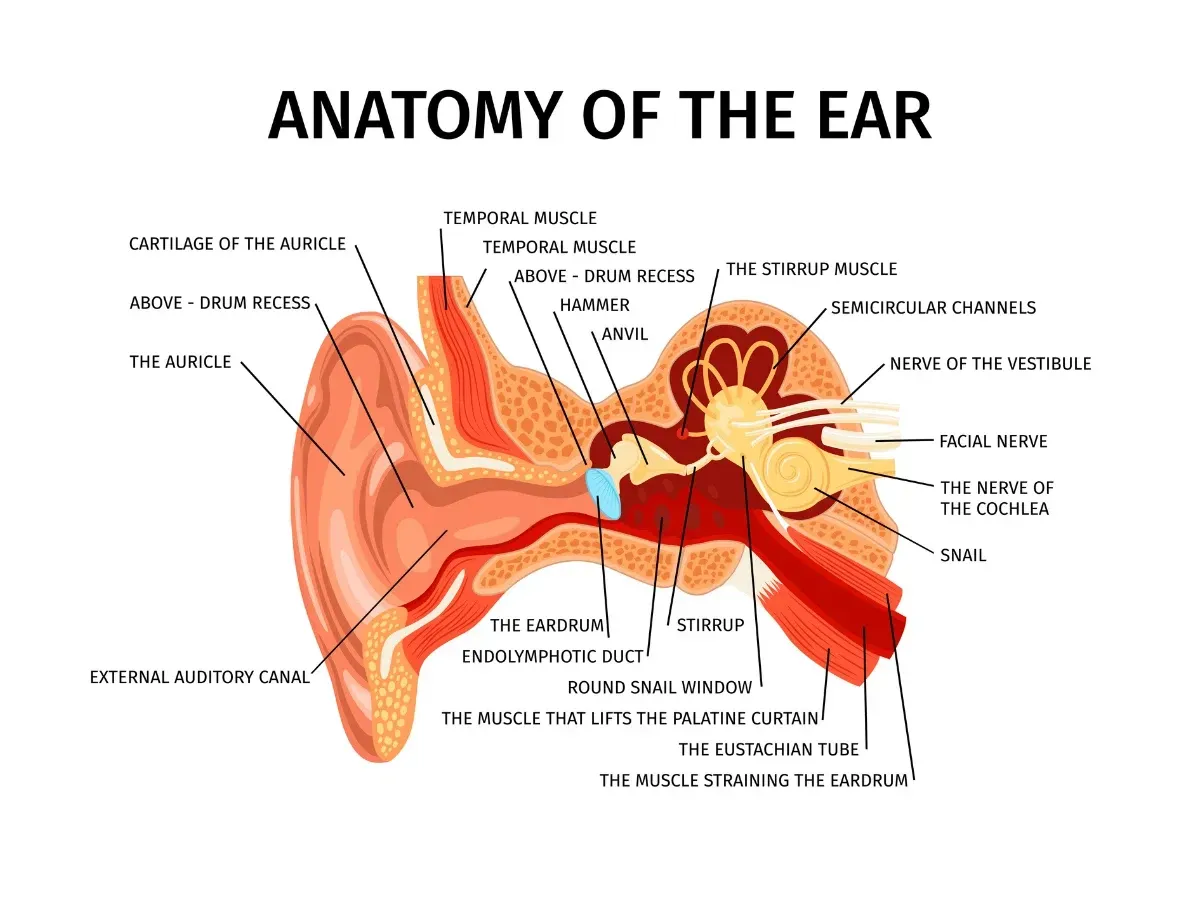
At the heart of every hearing aid brand is a guiding philosophy that shapes its technology. And it gets interesting because these two brands have completely different ideas about what good hearing actually means.
Oticon's BrainHearing™: It's All About Your Brain
Oticon has this idea that "you hear with your brain, not your ears." Sounds weird at first, right? But think about it, your ears just collect sound waves. Your brain is what makes sense of everything you hear.
So instead of just making sounds louder or cutting out background noise, Oticon tries to give your brain all the sound information it would naturally get. The idea is that when your brain has more complete information, it doesn't have to work as hard to figure out what's important.
When you check Oticon hearing aids reviews, users often mention feeling less tired at the end of noisy days. That's because their brain isn't struggling as much to fill in missing pieces.
ReSound's Organic Hearing™: Mimicking Nature
ReSound takes a different path. They want to copy exactly how your ears naturally work when they're healthy. Their ReSound hearing aids app is a big part of this as it lets you fine-tune everything to match your personal preferences.
They even put a tiny microphone right inside your ear canal (they call it M&RIE) so sound gets collected the same way it would naturally. It's like having your original ears back, but with superpowers.
Oticon Has the Core Philosophy Edge
Honestly? Oticon's brain-focused approach feels more groundbreaking. While ReSound does great work copying natural hearing, Oticon is thinking bigger picture about how hearing affects your overall mental energy and brain health. That's pretty forward-thinking.
Oticon vs. Resound Tech Showdown: How They Process Sound
Both brands are packed with cutting-edge technology, but their approaches differ. So, let's break down what actually matters best to you.
Oticon's Intelligent Soundscapes
The Oticon hearing aid models use some pretty clever tech:
- NXT In-the-Ear
The Oticon Zeal introduces the revolutionary NXT In-the-Ear category which uses pacemaker-style encapsulation technology to fit a rechargeable battery and high-level AI into a nearly invisible frame.
It eliminates the traditional wait for custom molds with a "Fit & Go" modular design for same-day fitting. Meanwhile, a patented triple-function antenna string enables high-fidelity Bluetooth streaming and hands-free calls
- Deep Neural Network (DNN)
Found in Oticon hearing aid models like Oticon More and the latest Oticon Intent (the world's first 4D sensor hearing aid), this AI is trained on millions of real-life sounds.
Think of this as a hearing aid that went to school. It studied millions of real-world sounds (restaurants, busy streets, family dinners) so it knows how to handle whatever you throw at it. The newest Oticon Intent has an upgraded version (DNN 2.0) and that's even smarter.
- 4D Sensor Technology
This is where Oticon Intent gets really impressive. It doesn't just listen to sounds; it watches how you move your head, tracks your body movement, and even notices if you're having a conversation. Then it adjusts everything automatically based on what it thinks you're trying to do. Pretty sci-fi, right?
- OpenSound Navigator™
This scans your environment 500 times every second (your brain can't even keep up with that!). Instead of blocking out background sounds completely, it organizes everything so your brain can still choose what to focus on. You get the full picture, not just bits and pieces.
- RealSound Technology
Found in Oticon Real models, this handles annoying stuff like wind noise and sudden loud sounds. No more jumping when someone drops a glass!
ReSound's Targeted Clarity
ReSound hearing aid models focus on different strengths:
- M&RIE (Microphone & Receiver-In-Ear)
This is ReSound's signature move. They put a microphone right in your ear canal, using your ear's natural shape to collect sound. It's like the difference between listening through a window versus stepping outside.
- All Access Directionality & Ultra Focus
These work together to spotlight conversations while managing background noise. When you're in a crowded restaurant, these features work overtime to help you hear your dinner companion clearly.
- Intelligence Augmented (AI)
ReSound's newest Vivia model has its own AI chip that studied millions of speech samples. It teams up with something called Smart Beamforming to filter out distractions and boost the voices you want to hear.
- Binaural Hearing Strategy
This lets your two hearing aids talk to each other constantly, sharing information about your environment. They work as a team instead of two separate devices.
The Key Difference in Noise
Here's where you'll really notice the difference. Oticon says "let's give you everything and trust your brain to sort it out." ReSound says "let's filter out the junk and boost what matters."
If you're someone who likes to stay aware of your surroundings (maybe you have kids you need to keep an ear on), Oticon's approach might feel more natural. If you just want to focus on the person talking to you and forget everything else exists, ReSound's aggressive filtering could be your best friend.
Product Lines & Styles: Finding Your Perfect Fit
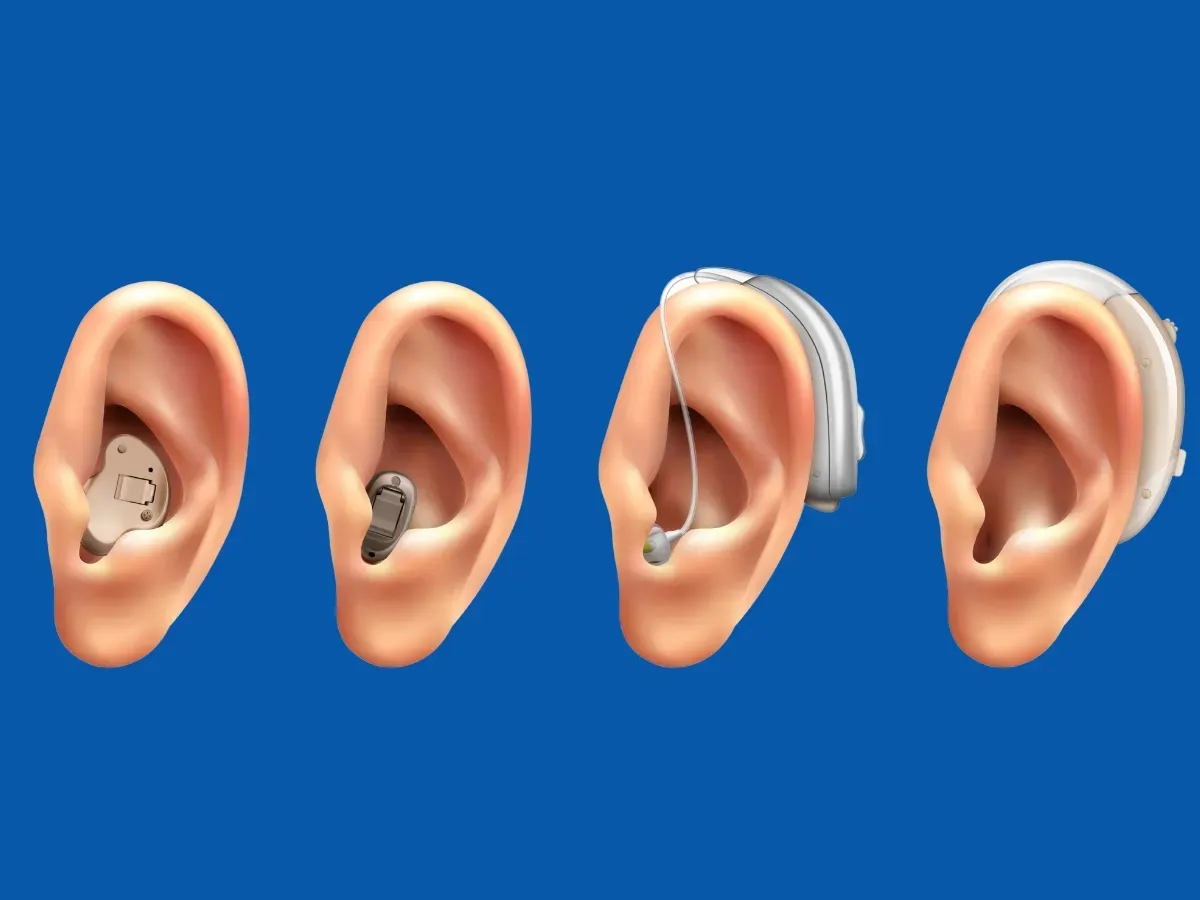
Both companies make hearing aids for every type and level of hearing loss.
Oticon's Lineup
Oticon hearing aid models cover everything from mild hearing loss to profound deafness:
- Flagships
- Oticon Zeal is the newest star of the lineup. It introduces the "NXT In-the-Ear" category—the world's first hearing aid to offer a nearly invisible custom fit without compromising on features.
- Oticon Intent is the current flagship Receiver-in-Canal (RIC) model. It is the first to use 4D Sensor technology to understand your listening intentions based on your head and body movements.
- Oticon Real focuses on handling real-world sounds naturally. Oticon More was their first model with the brain-trained AI.
- Other Popular Choices
- Oticon Own sits so deep in your ear that people won't even know you're wearing it.
- Oticon Xceed is built for people with severe hearing loss who need serious amplification.
- Oticon Play PX and Xceed Play are designed specifically for children's active lifestyles.
ReSound's Focus on Miniaturization & Connectivity
ReSound hearing aid models also cover nearly all hearing needs with extra focus on making things tiny and connected. Plus, ReSound has gotten really good at making their newer models significantly smaller than the competition.
- Flagships
- ReSound Vivia is their AI-powered compact model.
- ReSound Nexia was first to market with the newest Bluetooth technology and gets top ratings for hearing in noise.
- Other Popular Choices
- ReSound OMNIA is optimized for noisy environments.
- ReSound Key offers essential features at a lower price point.
- ReSound ENZO Q provides serious power for severe hearing loss and works great with cochlear implants.
ReSound Edges Out for Miniaturization and Connectivity
Both brands offer comprehensive model ranges, but ReSound takes this one.
Their microRIE models are impressively tiny, and they've been among the first to adopt the latest Bluetooth features across their lineup. If having the smallest possible hearing aid with the best phone connectivity matters to you, ReSound is hard to beat.
Getting Your First Hearing Aids?
Let us help you find the best pair that matches your needs and lifestyle.
Book an Appointment TodayDaily Life Features: Connectivity, Power, and More

Seamless Connectivity
Both brands are at the cutting edge of wireless technology:
- Bluetooth & Auracast
Whether you choose Oticon (Intent, Real) or ReSound (Nexia, Vivia), you'll get direct streaming from iPhones and many Android phones. Both support the newest Bluetooth LE Audio and are ready for Auracast (think public broadcast audio in airports, theaters, etc.).
- Hands-free Calling
Both let you answer calls without touching your phone. Your hearing aids become wireless earbuds that happen to help you hear better.
- Extra Accessories
Both offer TV streamers, remote microphones, and other gadgets to help in specific situations.
Rechargeability & Battery Life
Oticon
The latest Intent gives you about 20 hours per charge, with a quick 30-minute charge giving you 8 more hours. Other models push closer to 24 hours.
ReSound
Their flagship models like Vivia, Nexia, and OMNIA claim up to 30 hours on a single charge. They also include portable charging cases that give you extra charges when you're away from home.
Which battery is better?
Both provide all-day power, but ReSound's longer battery life and portable charging options give them a slight edge for people who travel or have long days.
Tinnitus Management
Oticon’s Solution
Tinnitus SoundSupport gives you customizable ocean-like sounds through their app. Simple and effective.
ReSound’s Solution
They go bigger with a dedicated Tinnitus Sound Generator plus a separate ReSound Relief app that combines sound therapy with relaxation exercises and educational content.
Durability & Water Resistance
Both Oticon and ReSound hearing aids can handle your active lifestyle. They're both IP68 rated, meaning they're dustproof and can survive being dunked in water for up to 30 minutes. Perfect for workouts, gardening, or getting caught in the rain.
ReSound Wins for Practicality and Flexibility
ReSound edges ahead here with longer battery life, more charging flexibility, and more comprehensive tinnitus support. If convenience and flexibility matter in your daily routine, ReSound delivers more practical value.
Your Control Center: Apps & Lifestyle
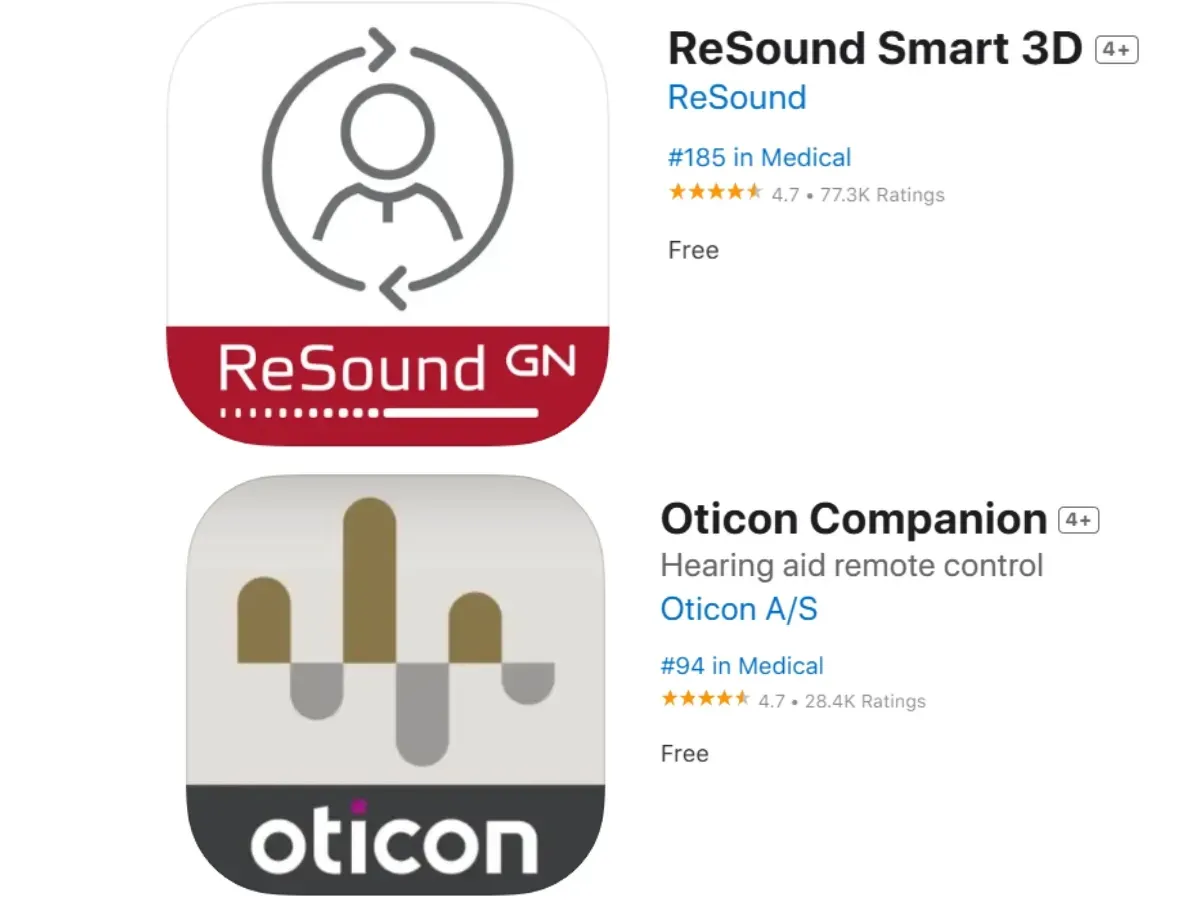
Your smartphone app becomes your hearing aid remote control, and the differences here are pretty telling.
Oticon Companion app
This app reflects Oticon's "we'll handle it for you" philosophy. You get basic controls like volume, program switching, battery check, plus the ability to connect with your hearing care provider remotely. It's clean, simple, and assumes you want your hearing aids to do most of the thinking.
Perfect if you're not a tech person or just want your hearing aids to work automatically without much fussing.
ReSound Smart 3D/Smart app
The ReSound hearing aids app is like a Swiss Army knife. You can adjust bass, mid-range, and treble separately. Save custom settings as "Favorites." Even set up location-based automatic switching, walk into your favorite restaurant and your hearing aids automatically switch to your saved "noisy restaurant" settings.
You can also get real-time remote adjustments from your hearing aid provider through ReSound Assist Live.
App Winner Depends on Your Style
Love customizing and controlling everything? ReSound's app will make you happy. Prefer "set it and forget it" simplicity? Oticon's streamlined approach is perfect.
The Money Talk: What You'll Actually Pay
By far the most important consideration because the price of Oticon and ReSound hearing aid price can vary widely.
Oticon
Price of Oticon hearing aids typically ranges from $1,300 to $4,200 per device. The latest flagship, Oticon Intent, generally costs between $4,600 and $7,600 per pair at private clinics, depending on the performance tier (Intent 1 being the most expensive). The Oticon Real series has seen some price adjustments following the Intent release, typically falling between $3,200 and $5,800 per pair.
ReSound
ReSound hearing aid price typically ranges from $1,100 to $3,800 per device. Their top-of-the-line ReSound Nexia and AI-powered Vivia models range from $4,200 to $6,500 per pair for premium technology.
For those looking for value, the ReSound OMNIA is now often available for $3,000 to $4,500 per pair, while the essential ReSound Key remains their most accessible entry point.
Important Reality Check: Actual prices vary hugely based on your provider, insurance coverage, and which technology level you choose. Many insurance plans cover at least part of the cost, and financing options are usually available.
Value Winner
ReSound typically offers more features for less money, plus their remote support capabilities mean fewer expensive office visits for adjustments.
Reliability and Support: What Happens After You Buy
ReSound consistently gets positive feedback from both users and hearing professionals. Their Nexia model has particularly high user satisfaction ratings.
ReSound's Support Advantage
The big differentiator is their remote support through the ReSound hearing aids app. Your hearing aid specialist can make real-time adjustments from anywhere, which means fewer office visits and faster problem-solving.
They typically offer 3-year warranties, but their flexible remote support model often provides better real-world service.
Oticon's Support Strengths
Oticon does have its own advantages in the support department. Their 4-year warranty is longer than most competitors', including ReSound's 3-year coverage. This extra year of protection can provide valuable peace of mind, especially for premium models.
Oticon also offers RemoteCare through their Companion app, allowing virtual appointments with your hearing care provider. While not as extensive as ReSound's remote capabilities, it still reduces the need for in-person visits.
Many users in Oticon hearing aids reviews praise their customer service responsiveness, as they can reach the right support channels.
Support Winner
ReSound edges ahead with more flexible remote support and generally easier service access. However, Oticon's longer warranty period and specialized technical expertise make them competitive.
If you value extended warranty coverage and don't mind working within their service structure, Oticon holds its own. For most people wanting hassle-free ongoing support, ReSound's approach is more user-friendly.
Oticon vs. Resound Hearing Aids: Which One Fits Your Life?
After all this comparison of Oticon vs ReSound hearing aids, here's how to decide:
Choose Oticon if…
- A more natural, less tiring hearing experience
- Technology that works with your brain's natural processing
- Minimal app fiddling and you want your hearing aids to handle things automatically
- The most advanced approach to cognitive hearing health
- Don't mind paying premium prices for cutting-edge philosophy
Choose ReSound if…
- Crystal-clear speech in very noisy places
- Lots of customization control through your phone
- The latest connectivity features at competitive prices
- Longer battery life and more charging flexibility
- Better ongoing support and service options
- Smaller, more discreet devices
Still feeling unsure about which brand is the right fit for your specific needs? That's completely normal. After all, this is a big decision that affects your daily quality of life. And remember, while Oticon and ReSound are excellent choices, they're not your only options. Other quality brands like Phonak and Starkey might be better matches.
Professional hearing aid specialists like Paradise Hearing AZ can make this choice much clearer. We conduct comprehensive free hearing tests to understand your unique hearing loss pattern, discuss your lifestyle and listening priorities.
We also work with both Oticon, ReSound, and other major hearing aid brands, so we can provide unbiased guidance based on your individual needs rather than pushing one brand over another.
Ready to Hear What You've Been Missing?
All the comparisons in the world can't replace actually trying these devices in your own ears, in your own life. Every person's hearing loss is different, and what works amazingly for your neighbor might not be right for you.
Your hearing is too important to guess about. Whether you end up choosing Oticon's brain-focused approach or ReSound's customizable clarity, make sure you're choosing based on how they actually perform in your real life, not just how they look on paper.
Schedule your free consultation with Paradise Hearing today and take the first step toward clearer, more effortless hearing.
Want to Explore More Brands?
Don’t limit yourself to Oticon and Resound hearing aids. There are more to explore!
See Full List Hearing Aid Brands We Have in Store